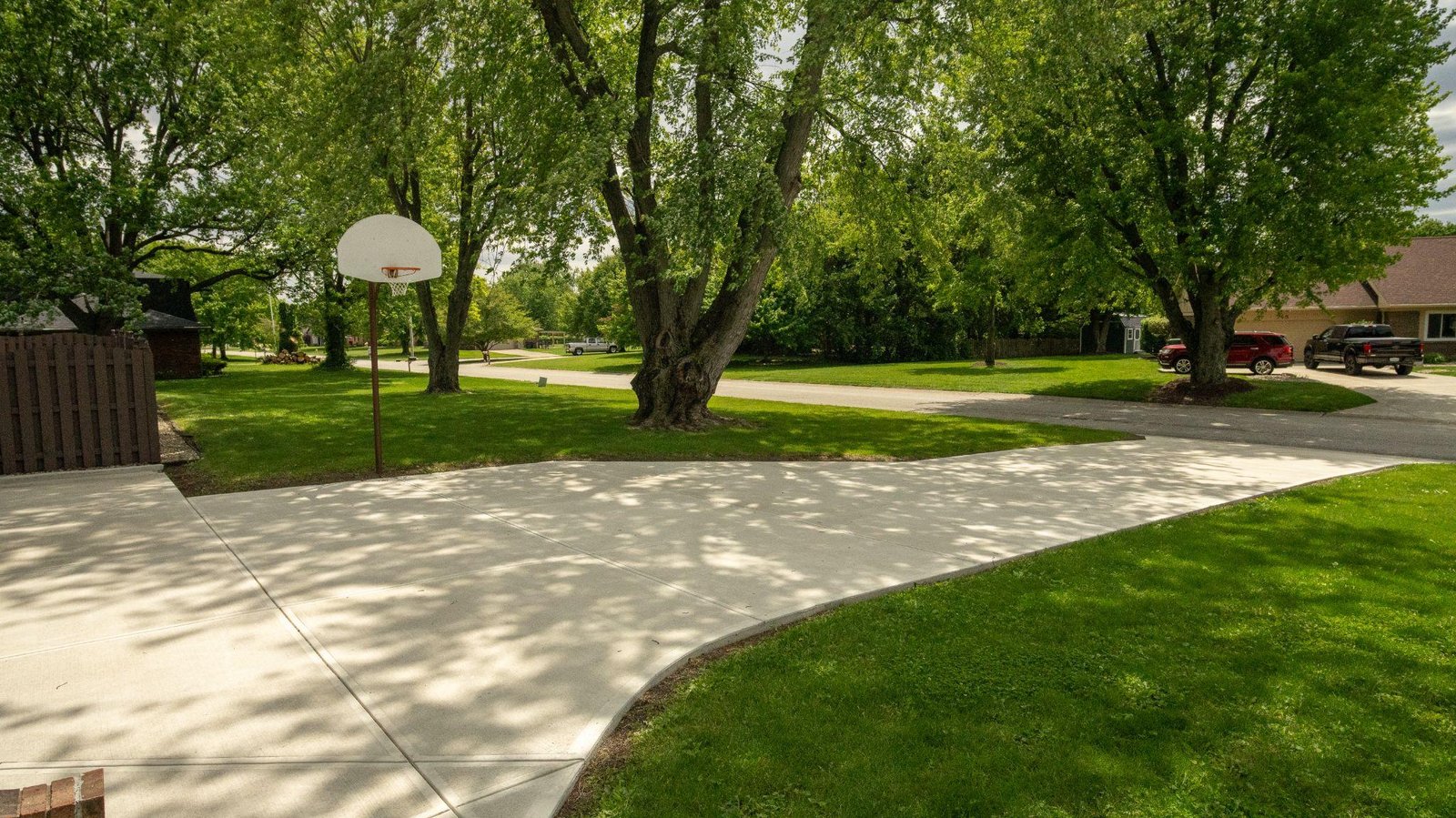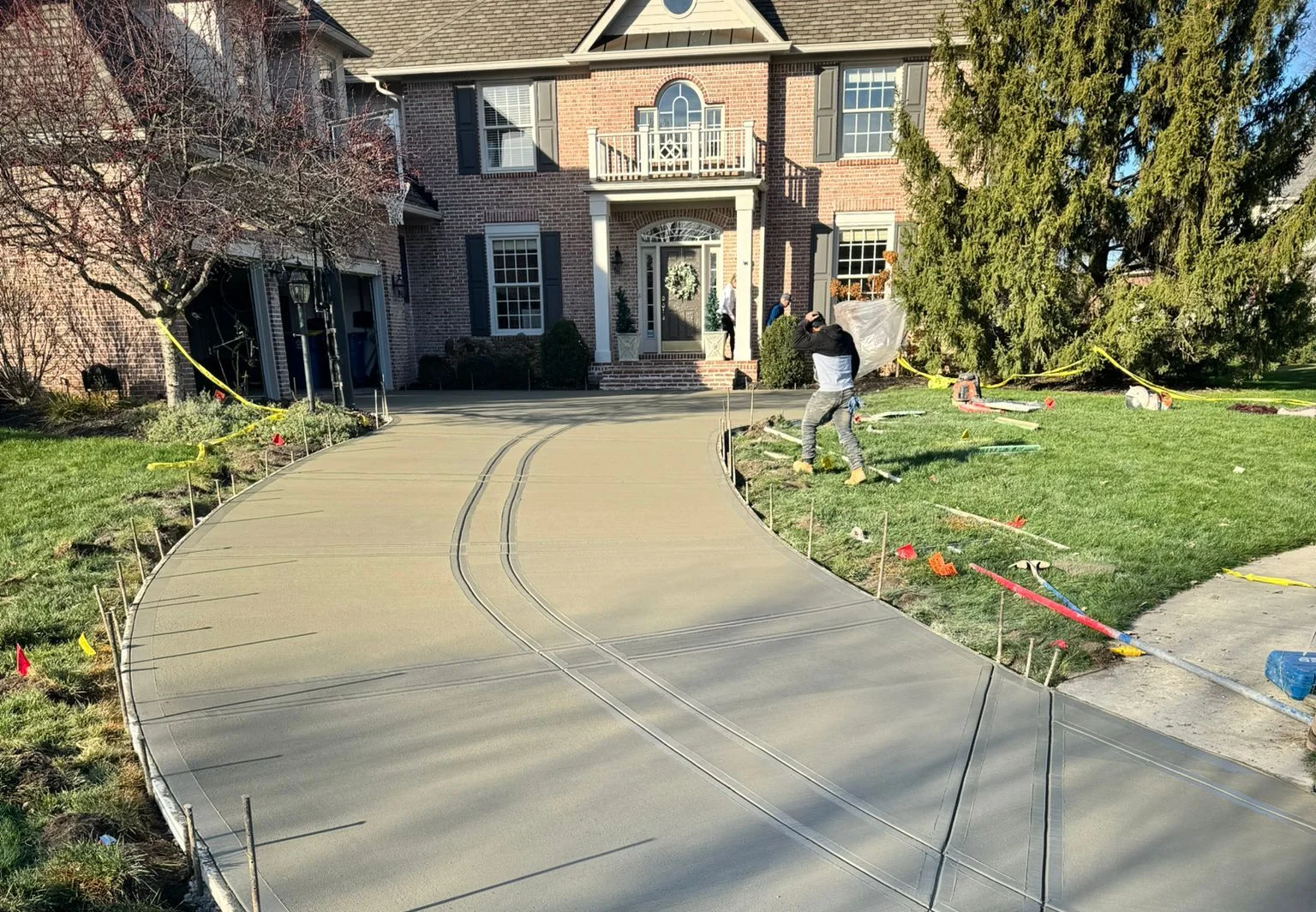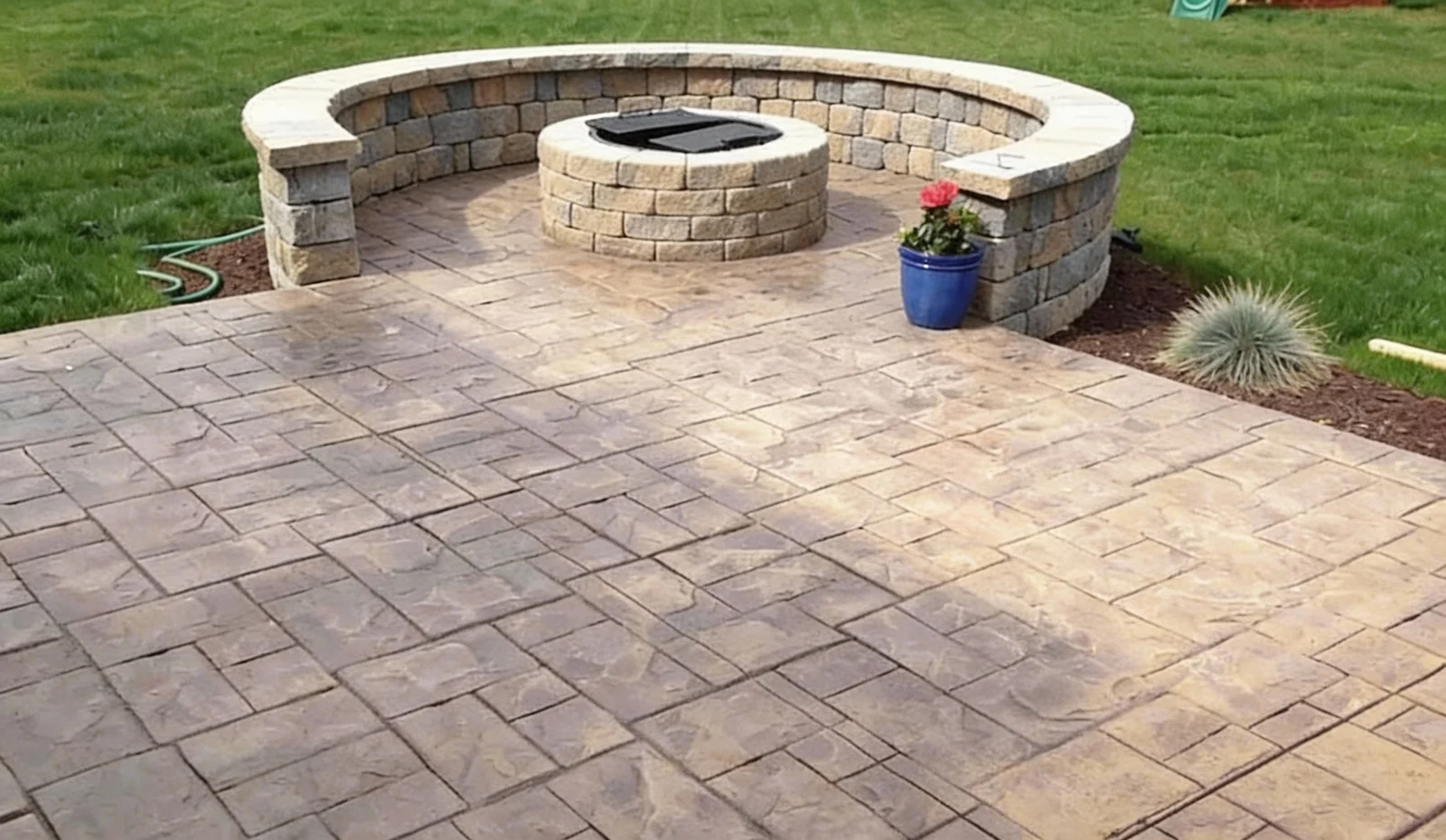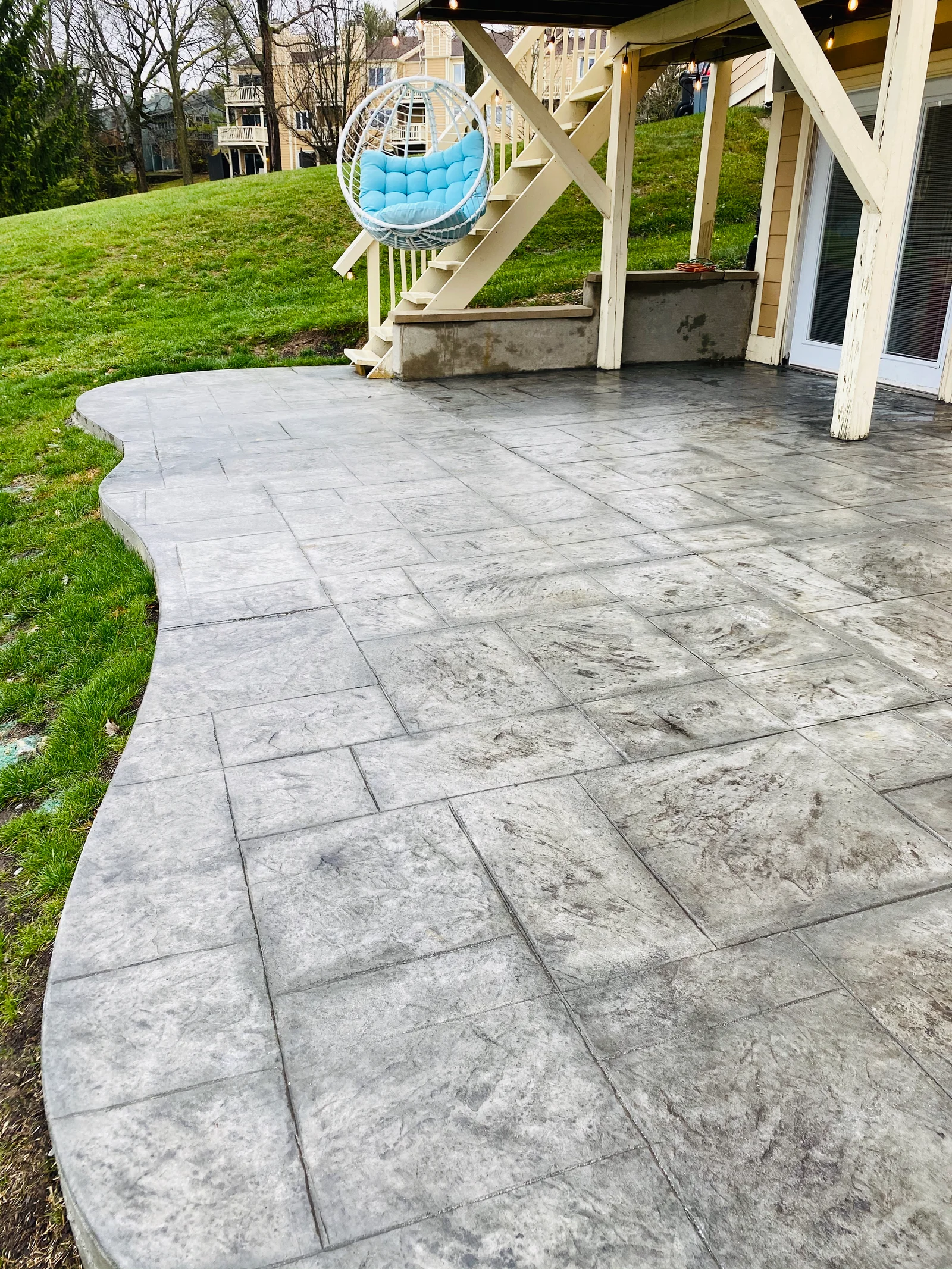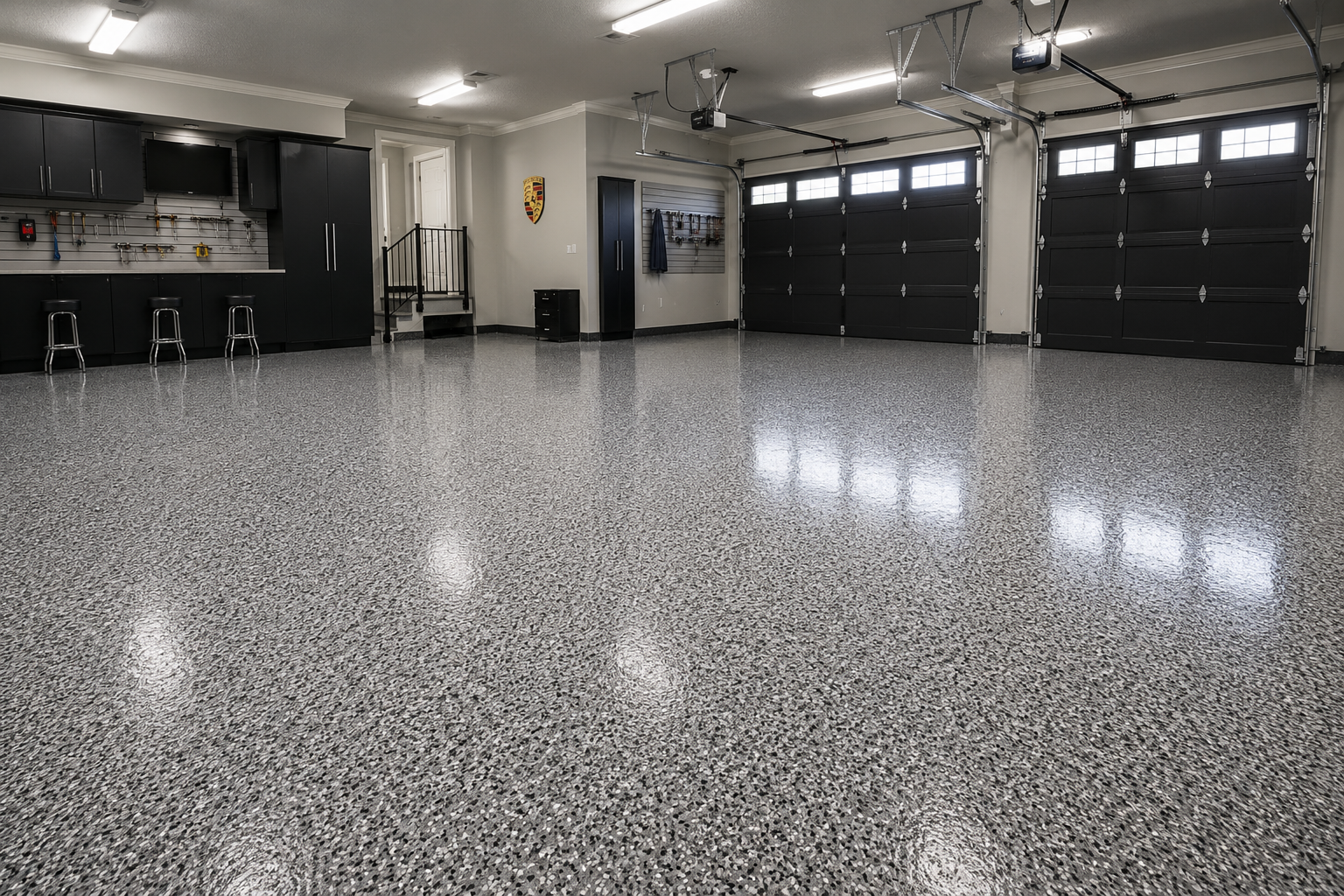
Learn everything homeowners in Indianapolis should know before starting a concrete project, including driveway replacement, patios, stamped concrete, garage floor coatings, basketball courts, pool decks, drainage, reinforcement, sealing, and long-term maintenance.
Concrete pricing in Indianapolis depends on project size, access, demolition, base preparation, concrete thickness, reinforcement, finish type, drainage needs, and long-term maintenance expectations.
A strong concrete slab starts below the surface. Proper base preparation helps reduce settling, improves drainage, supports heavy loads, and helps concrete last longer in Indiana freeze-thaw conditions.
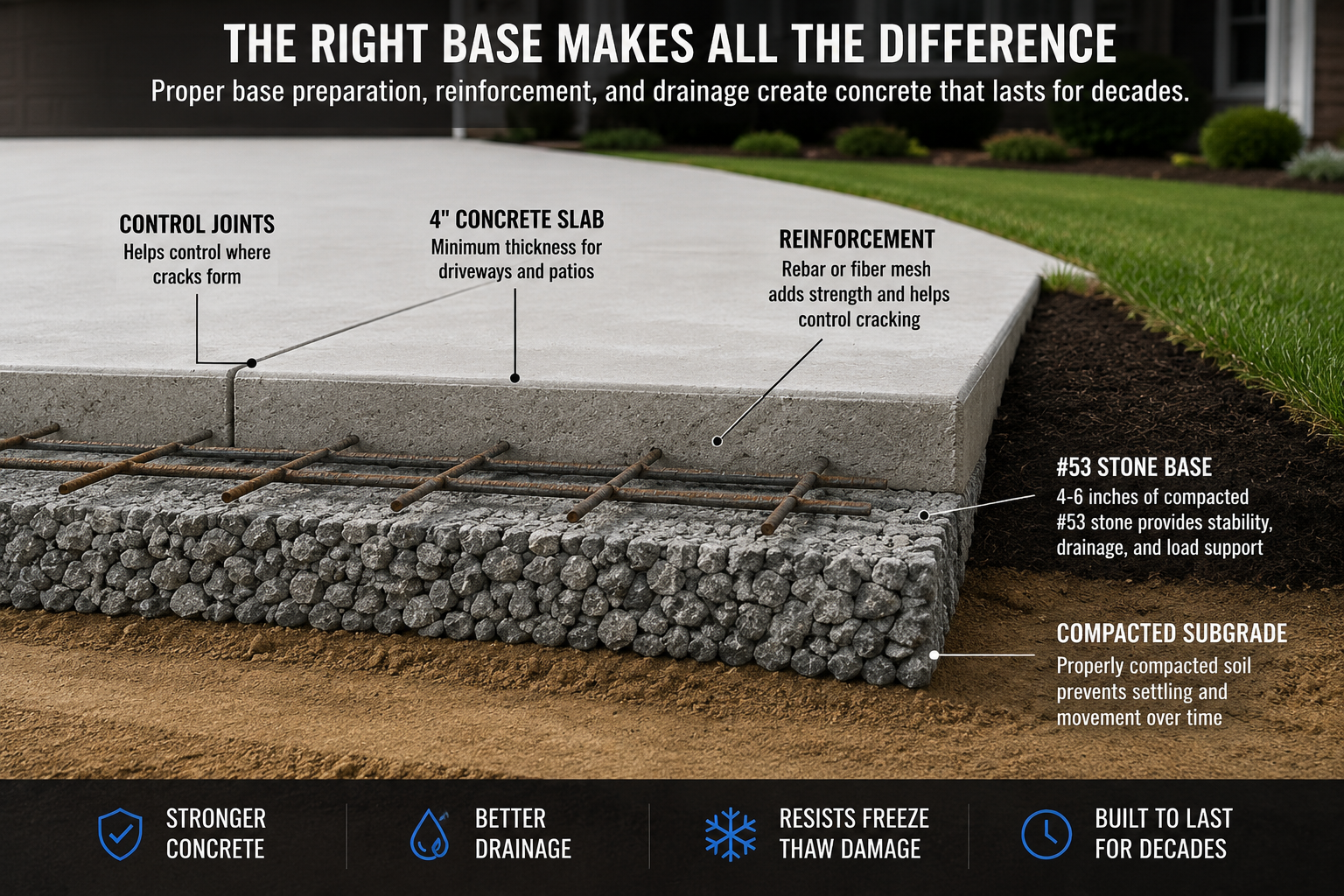
Compacted #53 stone creates a stable and well-draining foundation that helps support the concrete slab evenly. A properly compacted base reduces movement beneath the surface and minimizes the risk of uneven settling over time.
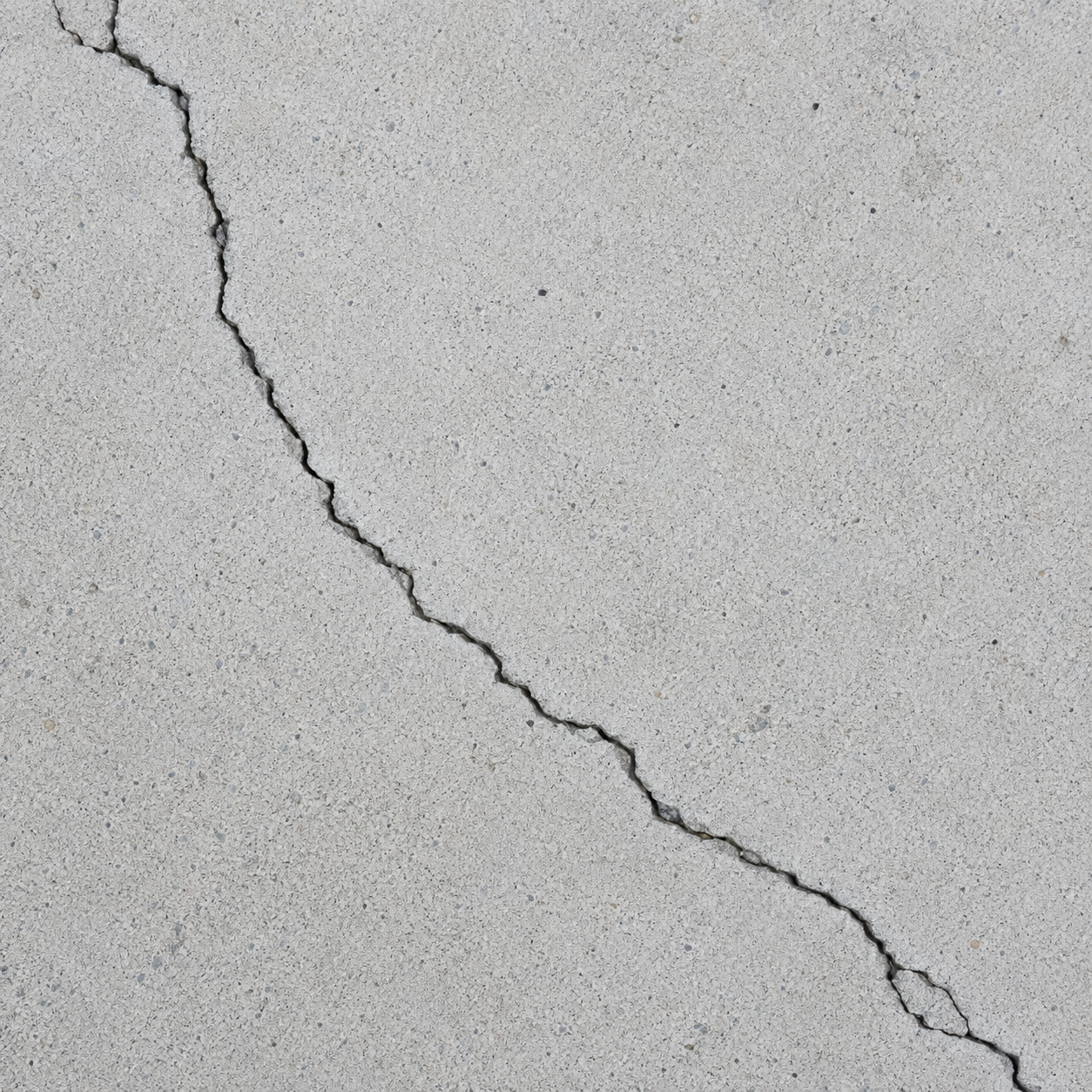
Proper drainage is essential in Indiana’s freeze-thaw climate. Water trapped beneath concrete can freeze, expand, and create pressure that leads to cracking and heaving. Reinforcement and properly placed control joints also help distribute stress while protecting the slab from premature damage.
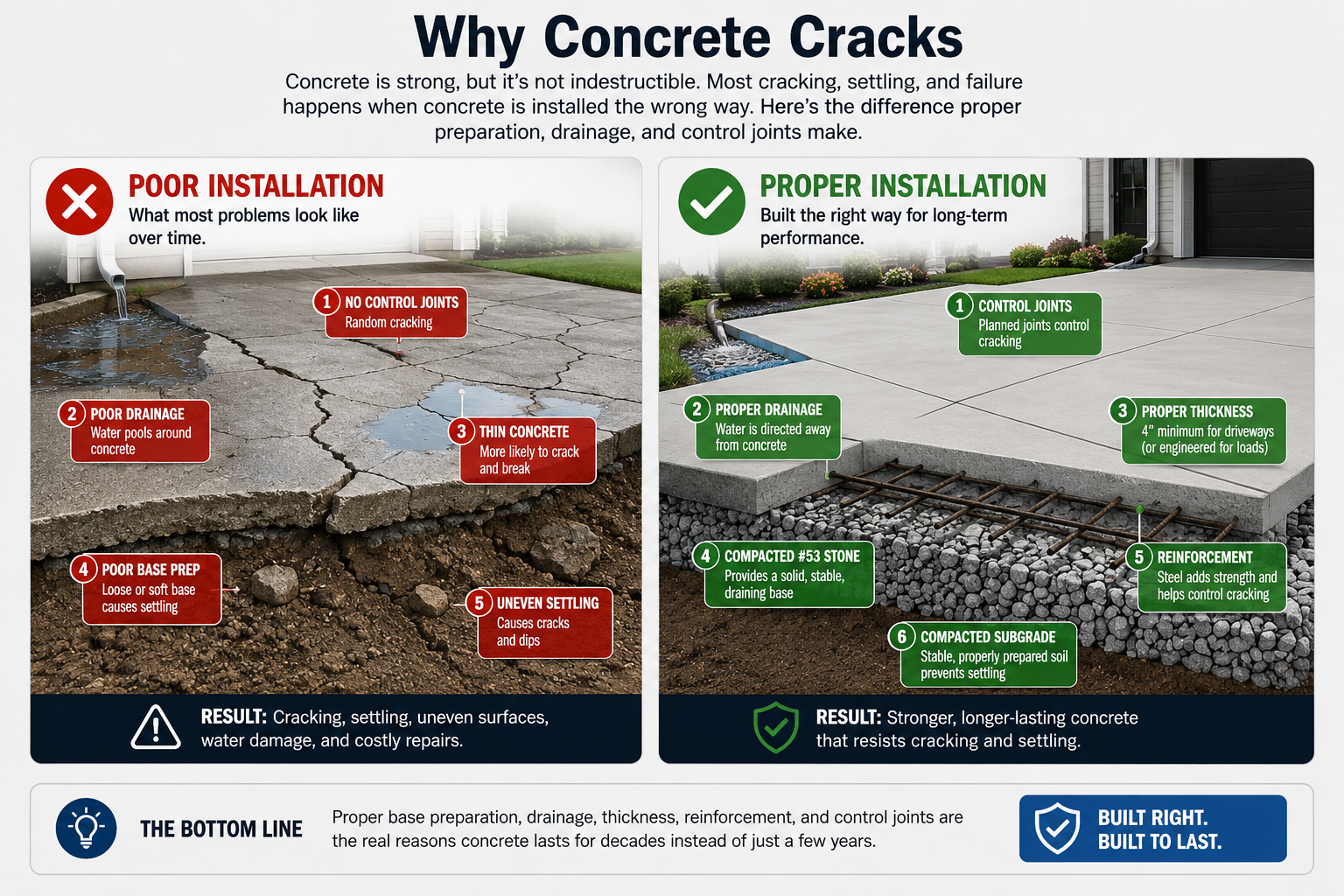
Poor installation often leads to uneven settling, trapped moisture, surface stress, and uncontrolled cracking. Weak subgrades and insufficient drainage can accelerate damage during seasonal temperature changes.
Proper installation includes compacted stone base material, reinforcement, adequate slab thickness, drainage management, and strategically placed control joints to help concrete perform better and last longer.
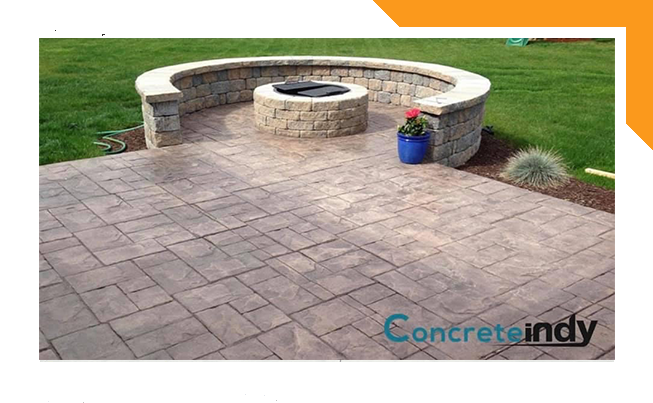
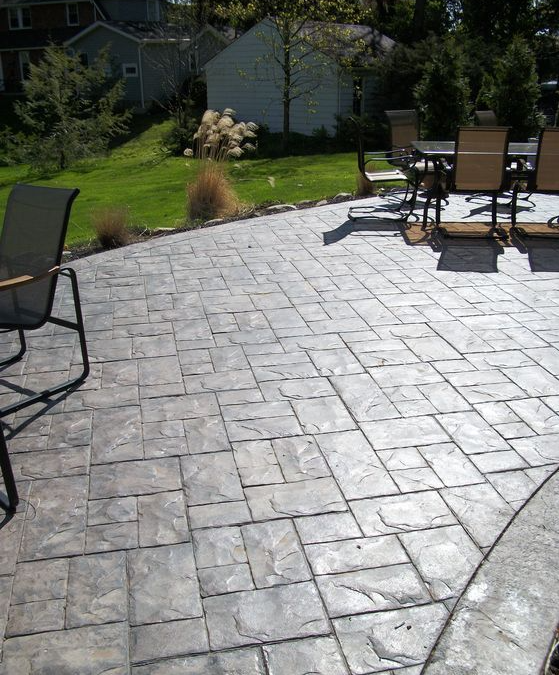
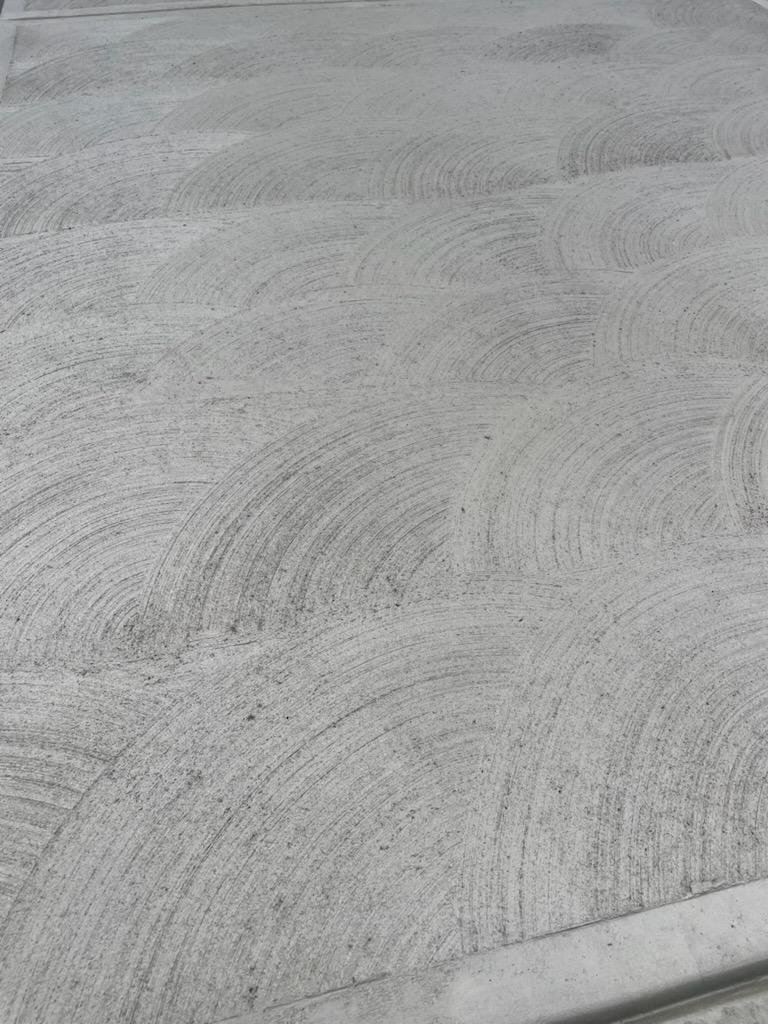
Different concrete finishes offer different levels of durability, appearance, maintenance, and long-term value. A standard broom finish is usually the most practical option for driveways and sidewalks, while stamped concrete, exposed aggregate, decorative borders, and coatings can create a more customized look for patios, pool decks, garage floors, and outdoor living spaces.
Compare standard broom-finished concrete with decorative stamped concrete so homeowners understand the difference in cost, appearance, maintenance, and long-term performance.
Read More →Learn how exposed aggregate compares to stamped concrete in terms of texture, durability, appearance, maintenance, and slip resistance.
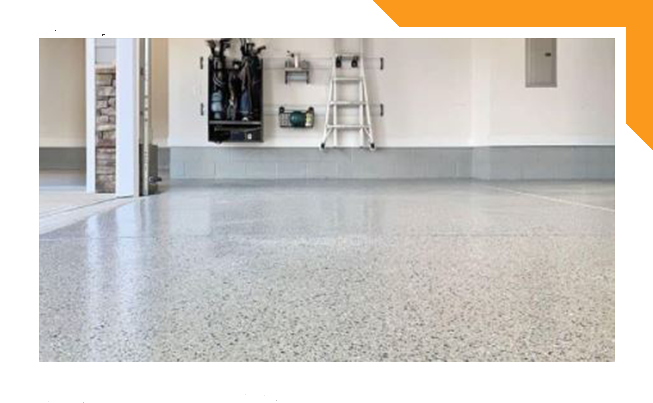
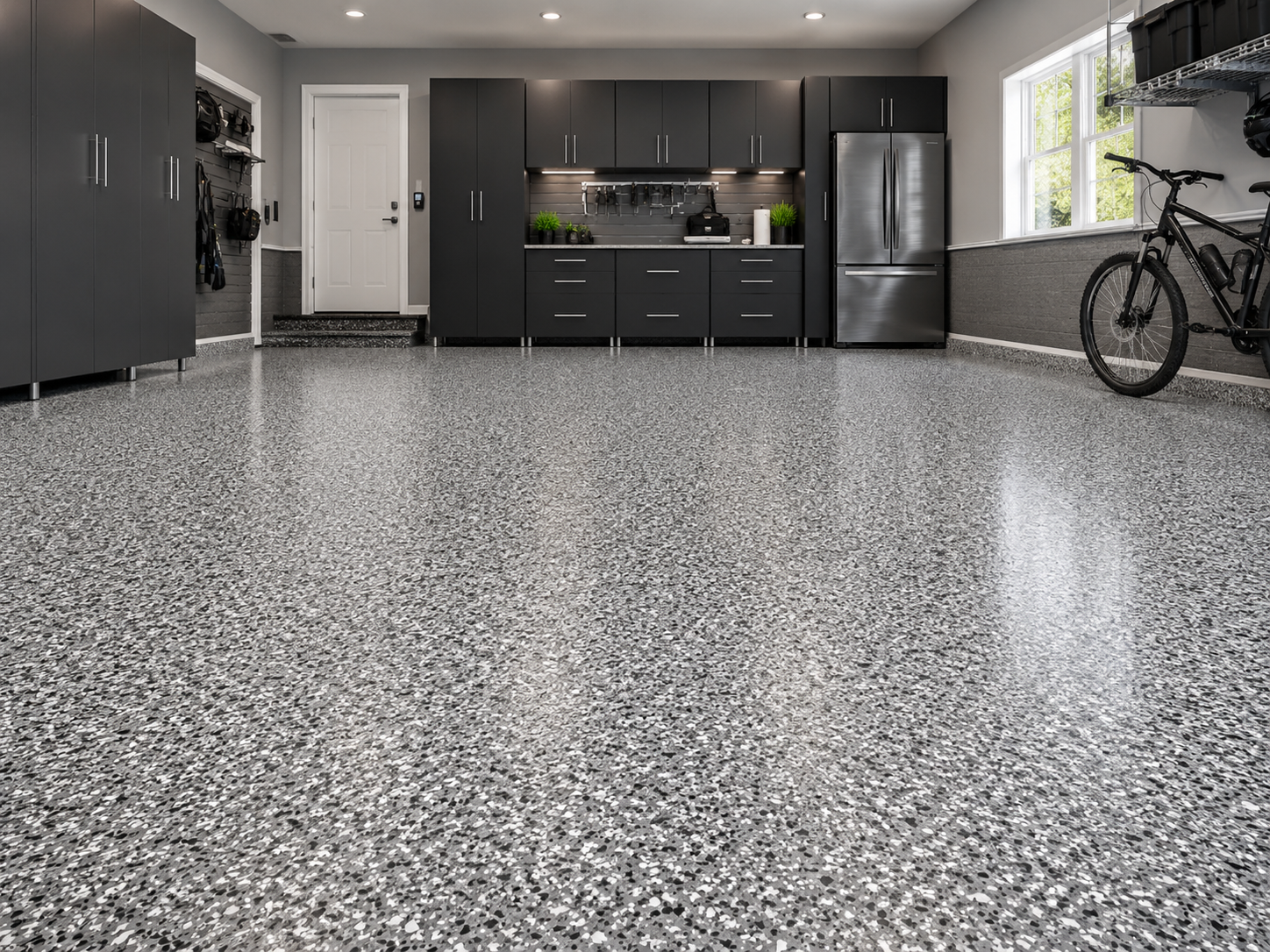
Read More →Understand the differences between epoxy and polyaspartic garage floor coatings, including cure time, durability, appearance, and installation process.
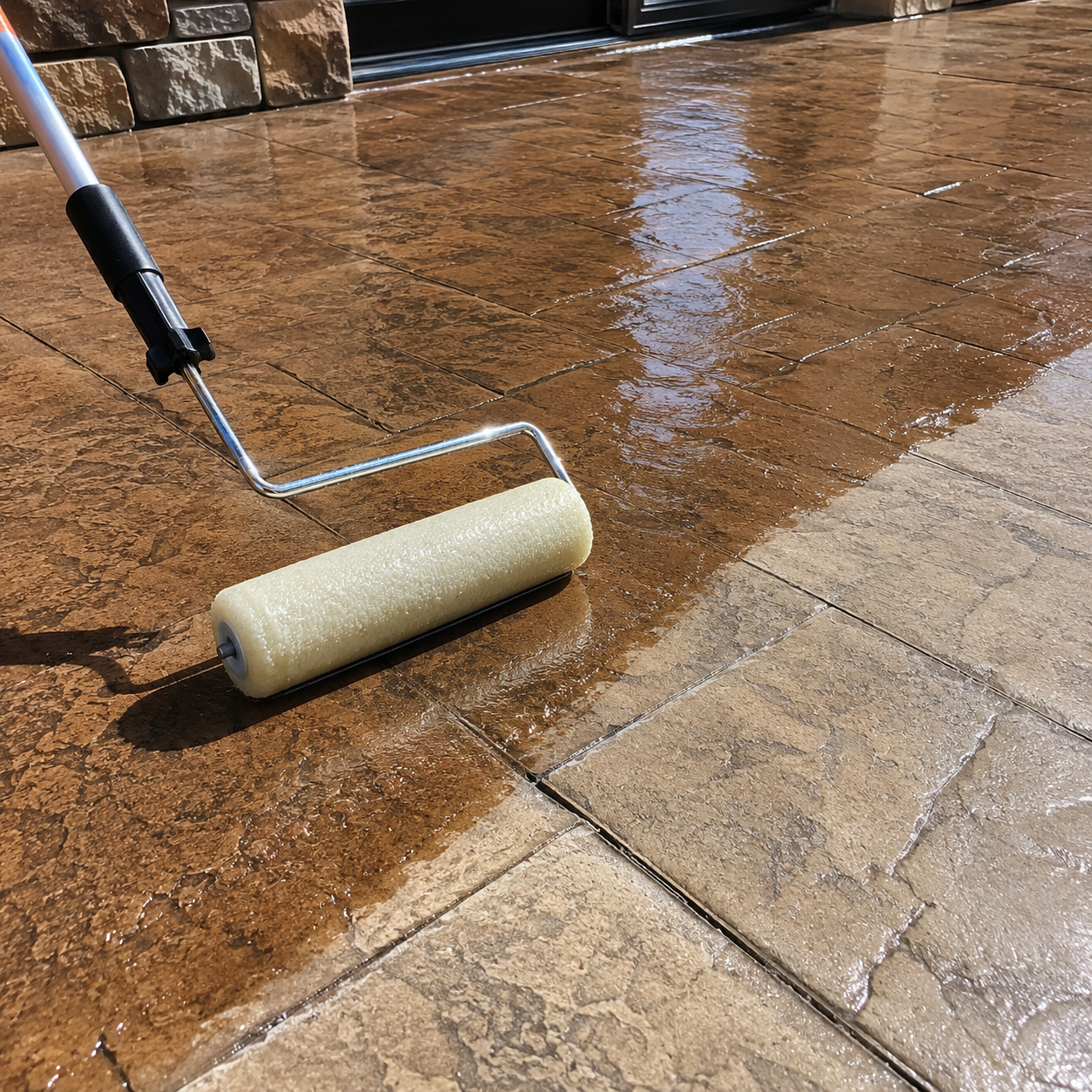
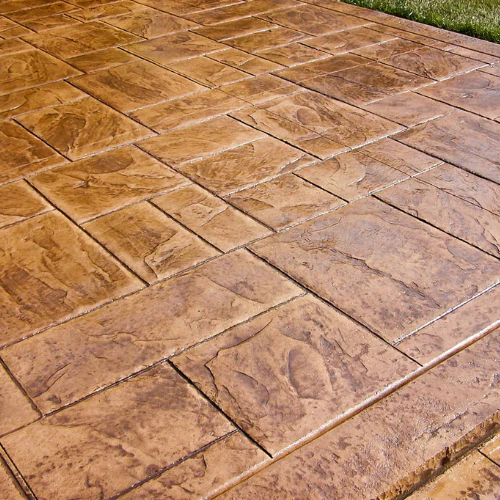
Read More →Stamped concrete can lose color when contractors rely only on surface-applied powder release or poor sealing methods. If the color is not properly integrated into the slab or protected with the right sealing process, the finish can fade faster as the sealer wears down.
This process helps create longer-lasting color, a higher-quality decorative finish, and reduced maintenance issues compared to stamped concrete methods that rely only on surface color.
Concrete can last for decades when it is installed with the right base, proper thickness, correct joint spacing, quality concrete mix, drainage planning, and maintenance. In Indiana, freeze-thaw cycles, standing water, salt exposure, poor base preparation, and lack of sealing can all shorten the life of a driveway, patio, or decorative concrete surface.
Concrete can last for decades when it is installed with the proper base, correct thickness, quality materials, and good drainage. In climates like Indiana, changing temperatures, moisture, and seasonal weather conditions can all affect the long-term durability of driveways, patios, sidewalks, and decorative concrete surfaces.
Read More →Freeze-thaw cycles are one of the most common causes of concrete damage in the Midwest. When water enters small cracks and freezes, it expands and creates pressure inside the concrete. Proper drainage, reinforcement, joint spacing, and base preparation all help reduce cracking and surface deterioration over time.
Read More →Regular maintenance is also important for protecting concrete surfaces and extending their lifespan. Sealing concrete helps reduce moisture intrusion, salt damage, stains, and surface wear. Cleaning the surface regularly and preventing standing water can help maintain both the appearance and structural strength of the concrete.
Read More →Serving Indianapolis and surrounding areas with fast quotes, professional crews, and high-quality concrete work.
See why homeowners, farms, contractors and businesses throughout Central Indiana choose Concrete Indy for concrete floors, slabs, driveways, patios, commercial concrete and more.