Our Other Services!


Choosing the right material for your outdoor surfaces can feel overwhelming. Asphalt, gravel, pavers, and concrete all offer different benefits—but concrete continues to outperform the rest in the areas that matter most to homeowners.
Asphalt may be cheaper initially, but it requires ongoing maintenance, including sealing every few years and resurfacing over time. It is also prone to cracking, softening in high heat, and damage from fuel or oil spills.
Concrete offers superior strength, better heat resistance, and a much longer lifespan. Once installed, it maintains its appearance and performance with far less upkeep.
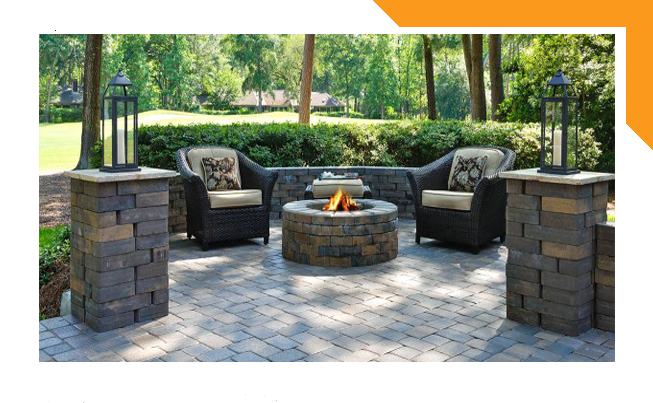
Pavers are visually appealing, but they come with hidden drawbacks. Over time, pavers can shift, sink, or become uneven due to soil movement and freeze-thaw cycles. Weeds and ants often invade the joints, creating ongoing maintenance issues.
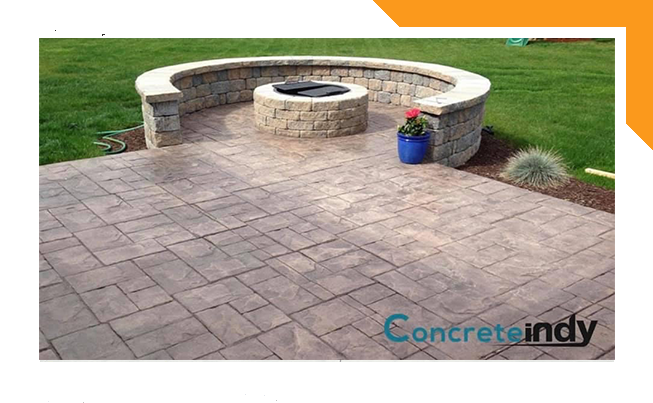
Concrete provides a solid, continuous surface that eliminates these problems while still allowing for decorative finishes such as broomed textures, stamped patterns, or colored accents.
Gravel may be inexpensive, but it lacks stability. It migrates over time, requires constant replenishment, and creates dust and drainage problems.
Concrete offers a clean, permanent solution that improves usability, accessibility, and overall appearance—without the mess or maintenance.
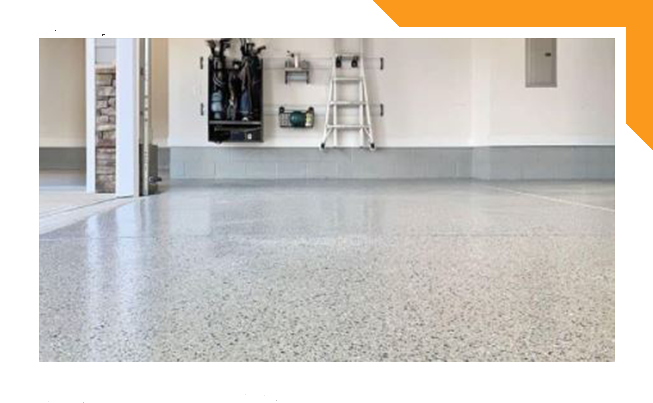
Modern concrete is far from plain. Homeowners can choose from a variety of finishes, textures, and joint layouts to match their home’s style. From traditional broom finishes to decorative stamped concrete, concrete adapts to both classic and contemporary designs.